
In 2025, EMU Medals were award jointly to Alberto Vitale Brovarone and Julie Cosmidis.
Public lectures will be delivered online by Alberto and Julie during Spring 2026. See the details below.
Dr Alberto Vitale Brovarone, Dipartimento di Scienze Biologiche, Geologiche e Ambientali, University of Bologna, Italy
5th March 2026 @ 2.00 pm CET
The event (online only, on Zoom) is free of charge to attend, but delegates must register in advance here.
Extreme energy hiding in the deep Earth: from the emergence of life to its sustainable future
Hidden deep within the Earth, rocks and minerals preserve records of energy sources formed under extreme conditions. These sources include some of the simplest molecules in geologic fluids, such as H₂ and CH₄, yet their generation and availability have been closely linked to the coevolution of Earth and life. Nearly 25 years after the hypothesis of a deep, hot biosphere thriving in the dark subsurface was proposed, growing evidence suggests that subduction zones may constitute a major source of deep energy capable of sustaining this life, thereby strengthening the connection between two of the planet’s most defining features: subduction and life. Today, these same forms of deep, unconventional energy are motivating renewed mineralogical and petrological research aimed at contributing to a more sustainable energy future for society.
Dr Julie Cosmidis, Department of Earth Sciences, University of Oxford, UK
26th March 2026 @ 2.00 pm CET
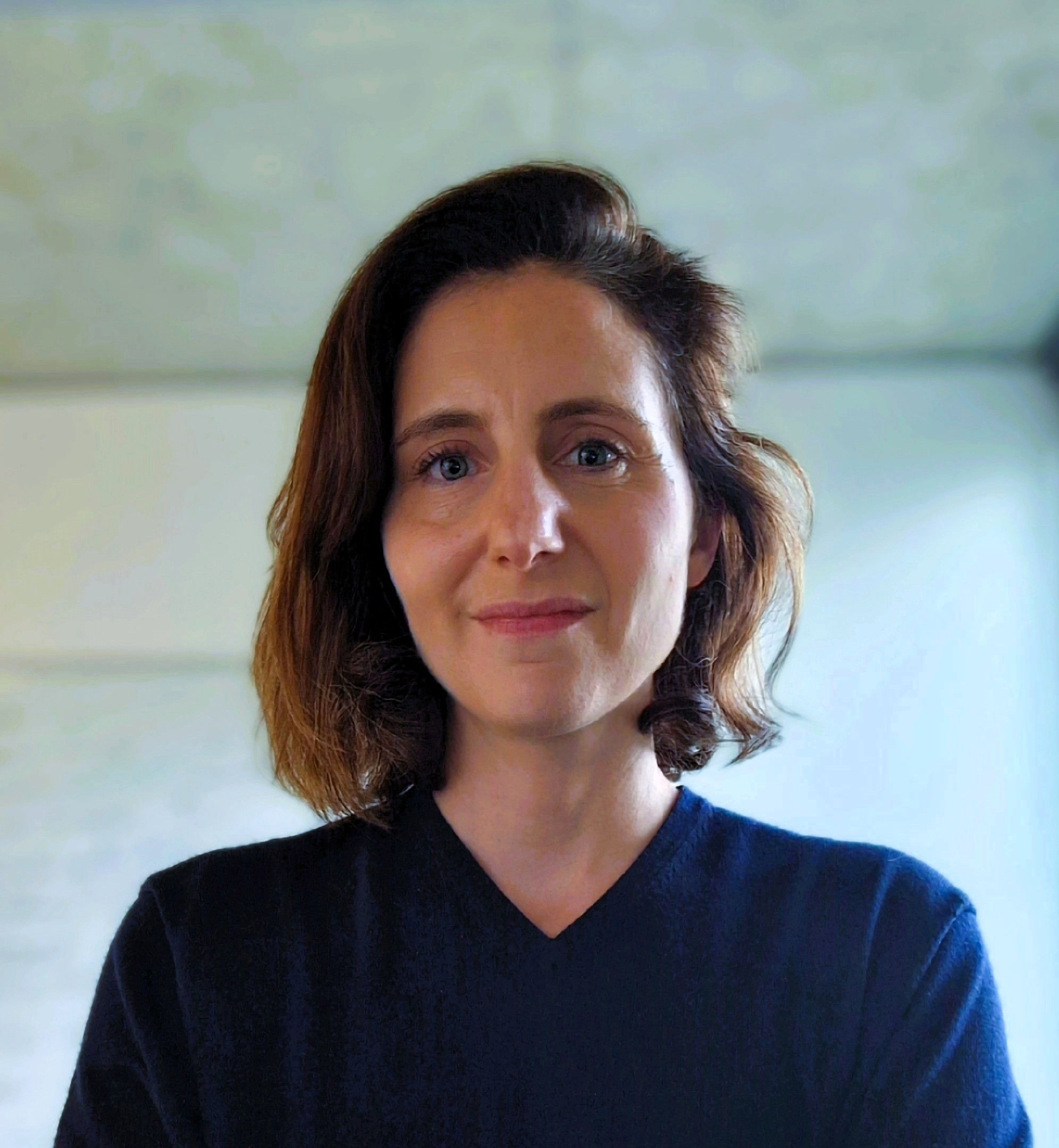
Decoding carbonate (bio)mineralisation using high-throughput mineralogy
Carbonates are a major biomineral type for both Eukaryotes and Prokaryotes, an important sink in the biogeochemical carbon cycle, and the basis for many paleoenvironmental proxies. They are also increasingly used for long-term carbon removal, and as promising materials to replace carbon-intensive products (e.g., biocements for construction). Carbonate crystallisation is influenced by many physicochemical variables (temperature, pH, saturation, etc.) and by inorganic and organic species that can inhibit or promote mineral nucleation and growth, controlling particle abundance as well as mineralogical properties such as morphology, composition, and crystal structure. Microbial cells can also mediate or influence carbonate formation through metabolic activity or the production of organic molecules. While the effects of these factors on carbonate mineralisation have been studied individually, their complex interactions have not been systematically explored. Indeed, our current understanding is mainly based on empirical studies that investigate the effects of these factors in isolation, and whose findings cannot be easily extrapolated to complex natural and engineered systems. To move beyond the state-of-the-art, we have developed a new high-throughput methodology combining in-situ imaging, automated Raman analyses, and Machine Learning. This approach allows us to rapidly perform and characterise hundreds to thousands of miniaturised mineralisation experiments, covering a wide multi-dimensional space of chemical variables and testing the effects of different organic molecules or bacterial strains on carbonate precipitation rates and mineralogical properties. I will present early results from this methodology and explain how it can be used to decode the environmental and genetic controls of microbial biomineralisation.
The event (online only, on Zoom) is free of charge to attend, but delegates must register in advance here.